As a woman, I remember all units—all genders—being required to attend an all-hands meeting at the Navy Reserve Center, where we were informed about the transgender policy changes and told that if we did not like it, we would need to get out. I can tell you at that moment, as a female, I felt stripped of my rights, felt unsafe, and without a voice. Despite this, we overwhelmingly conveyed our dissatisfaction through internal channels, yet our concerns were largely disregarded. I should not have been silenced in expressing my concerns about policies that directly affected me and my fellow female service members.
Transgender Policy Changes
In 2016, the Obama administration’s transgender policy changes allowed biological men into spaces traditionally reserved for women. Many of us felt this was dangerous to our safety within the ranks and that we were effectively stripped of autonomy as women. Service members were told by command leadership that we would accept the policy or leave military service.
Introducing transgender women or biological men into berthing, shower, and other female-only spaces raised legitimate concerns about harassment, privacy, and personal security—concerns widely reported in internal feedback. In addition, the random drug urinalysis program was changed so that a transgender woman (biological male) could observe a female participant, further impacting privacy and safety.
Women’s Health and Reproductive Concerns
These changes also meant that women’s health and reproductive concerns were often placed second to implementing transgender policies. Access to fertility treatments for female service members—including for fertility issues that may have been caused by service-related exposures—remained heavily restricted, while the military attempted to expand abortion access, highlighting a stark contradiction: women were denied the ability to create life through fertility care, yet the system was prioritizing other reproductive policies. Policies for transgender medical needs were implemented rapidly during this period, leaving many female service members’ reproductive concerns under-addressed and overlooked.
Uniform Changes
On top of policy changes, uniform modifications removed historically and culturally significant aspects of female Navy heritage.
• The female combination cover, first introduced in 1942, was retired in favor of a more masculine, unisex-style cover. The historical bucket cover had both cultural significance and practical function, accommodating a bun per female grooming standards.
• Female Chiefs and officers (E7 and above) transitioned to wearing the masculine choker whites dress jacket instead of the traditional female jacket.
• Female sailors E6 and below transitioned to the male dress blue “crackerjack” uniform and wore the male E6-and-below cover, commonly called the “Dixie cup” or white hat, leaving behind their traditional female jackets and combination covers. These changes altered the visual distinction and heritage of female service members and were implemented without meaningful input from the women affected.
Female Service Members and Veterans
• Active‑duty women (≈230,000) are ~0.07 % of the total U.S. population.
• Female veterans (≈2.1 million) are ~0.63 % of the U.S. population.
Why These Issues Were Underreported
Much of this dissatisfaction was underreported in the public sphere due to a disconnect between civilians and the military. Many civilians assume the military operates as a cohesive unit and that women are broadly supportive of policy changes, when in reality female service members were overwhelmingly concerned about safety, privacy, and autonomy. Internal feedback documented these concerns, but civilian perceptions rarely reflected the strength of dissatisfaction within the ranks, leaving many Americans unaware of the impact these policies had on women in uniform.
These changes undermined hard-earned progress in recognition, professionalism, and tradition.
These are the challenges many Americans don’t realize—the ways in which policy decisions directly affected the safety, autonomy, privacy, and recognition of women in military service.
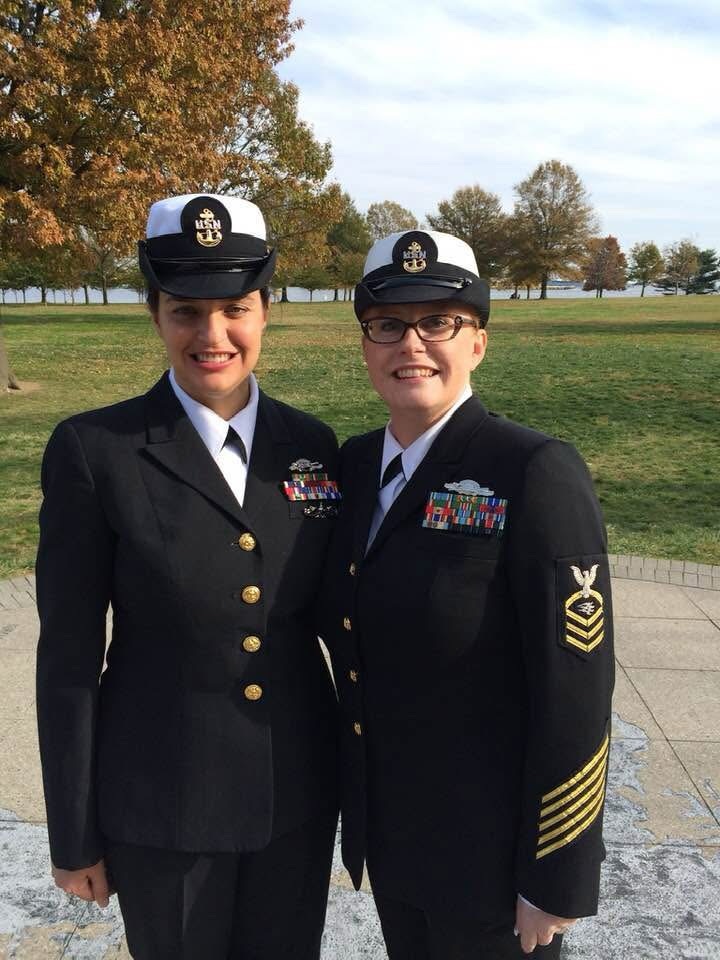
Fort McHenry – 2014
 The Sentinel Woman
Leave a comment