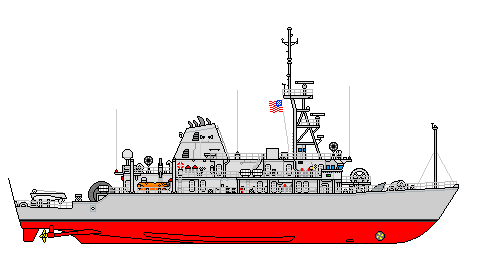
As of April 11, 2026, American efforts have escalated in response to Iranian and Houthi mining activities. [1]
The United States utilizes a combination of aggressive military strikes, advanced de-mining technology including mine sweepers/hunter-killers, and multilateral task forces to deter and neutralize mining threats off the coast of Djibouti and in the nearby Strait of Hormuz.
1. Direct Military Action (Operation Epic Fury)
The U.S. has moved from passive monitoring to active neutralization of mine-laying threats:
- Eliminating Minelayers: In March 2026, U.S. Central Command (CENTCOM) reported the destruction of 16 Iranian mine-laying vessels to prevent them from dropping explosives into vital shipping lanes.
- Targeting Infrastructure: Under “Operation Epic Fury,” U.S. and Israeli air strikes have targeted Iranian military facilities and leadership to degrade their capacity to launch asymmetric naval attacks. [2, 3, 4]
2. Specialized De-mining Operations
The U.S. Navy is currently “setting conditions” to re-open blocked waterways using a new generation of mine countermeasures (MCM): [5, 6]
- Warship Transits: On April 11, 2026, the guided-missile destroyers USS Frank E. Peterson and USS Michael Murphy entered the Strait of Hormuz to begin the process of identifying and clearing sea mines previously laid by Iran.
- Unmanned Systems: The Navy increasingly relies on unmanned surface vehicles (USVs) and underwater drones (like the Knifefish) to find buried or moored mines without risking sailors’ lives.
- Littoral Combat Ships (LCS): Modern ships like the USS Cincinnati and USS Canberra have been deployed to the region, equipped with airborne laser detection and towed sonar to pinpoint mine locations. [1, 7, 8, 9, 10]
3. International Coalitions & Deterrence
America leads several multinational efforts to maintain “freedom of navigation” in the Red Sea and Gulf of Aden: [11]
- Operation Prosperity Guardian: Launched to defend commercial shipping from Houthi attacks, this coalition has involved over 20 nations, including Djibouti, France, and the UK.
- Base Operations in Djibouti: The U.S. operates out of Camp Lemonnier in Djibouti, which serves as a central hub for monitoring maritime security and coordinating rapid-response missions against regional threats.
- Joint Exercises: Annual exercises like Justified Accord 2026 (held in Djibouti, Kenya, and Tanzania) build the capacity of local partners to handle shared security threats, including maritime terrorism and mining. [12, 13, 14, 15, 16, 17]
4. Diplomatic & Economic Deterrence
- Ceasefire Negotiations: The U.S. is currently leading talks in Islamabad to establish a final truce, with the immediate and complete opening of mined waterways as a non-negotiable demand for ending the conflict.
- Escort Services: The U.S. Treasury has indicated that the Navy may begin direct escorts for commercial oil tankers as soon as it is “militarily possible,” signaling to adversaries that mining will not be an effective tool for blocking global trade. [1, 3, 18]
[1] https://www.theguardian.com
[8] https://dsm.forecastinternational.com
[11] https://www.washingtoninstitute.org
[14] https://www.war.gov
[17] https://www.army.mil
[18] https://www.dw.com
 The Sentinel Woman
Leave a comment